
Stakeholder Mapping
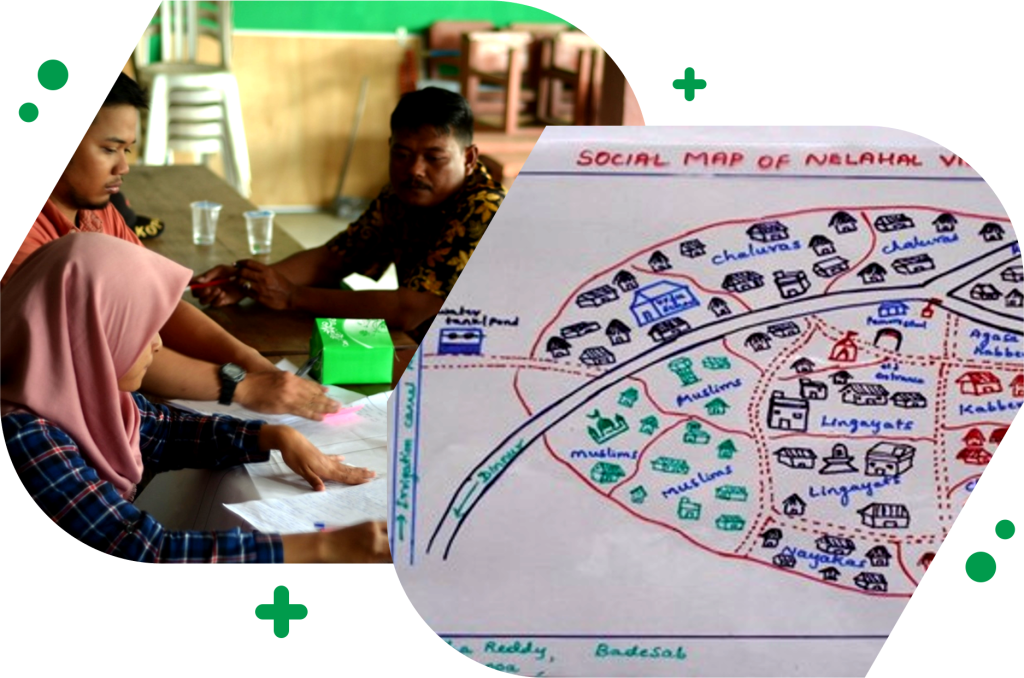
Stakeholder Mapping is a visual method for identifying and exploring the social conditions of a particular community or area. It contains community characteristics through the collection of secondary and direct (primary) data and information.
Later the results of social mapping can be used as a reference in designing programs in an area that will be targeted beneficiaries.
Social License to Operate
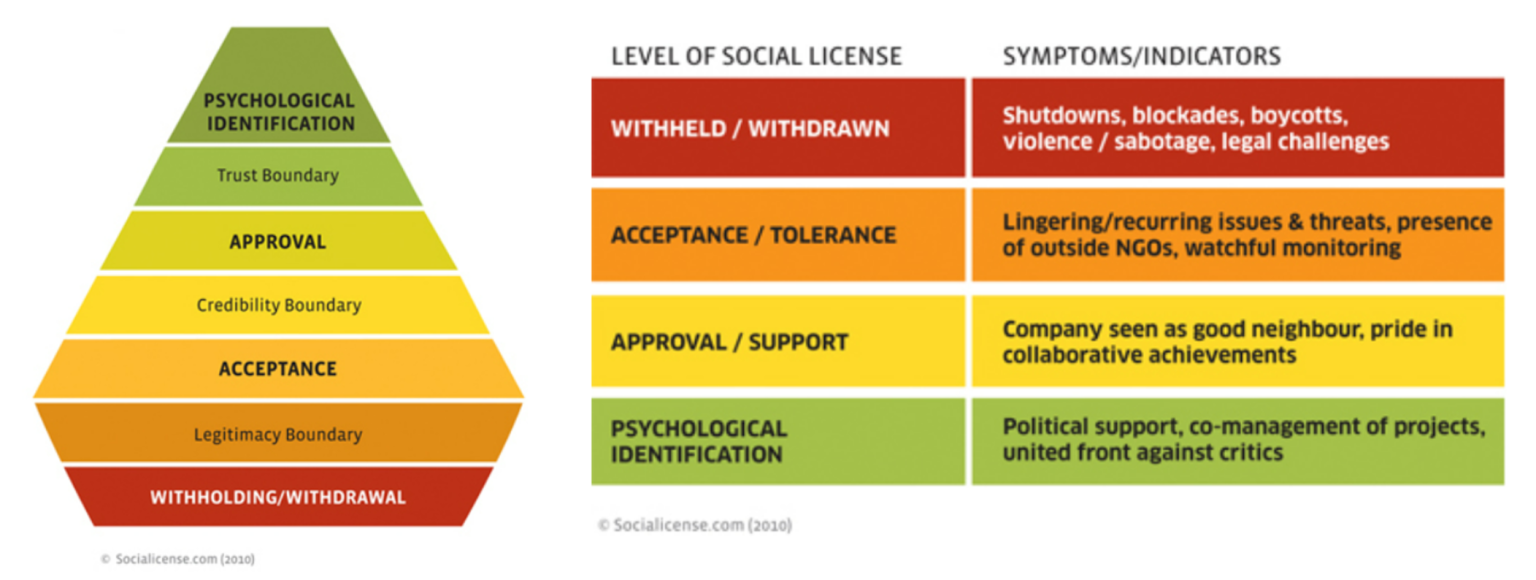
Three Limits of Social Acceptance
CREDIBILITY
A tangible manifestation of the application of rules, roles and responsibilities of companies and communities in the process of managing the company.
TRUST
A sense of trust and willingness that grows in a community that is shown by honest, regular behavior and cooperation between the company and the local community.
LEGITIMACY
Based on societal norms. Companies need to know and understand the norms that apply in the community and be able to comply with the regulations that apply among the community.
One tool to measure the existence of a company is accepted or not by the surrounding community. There are 3 limits and 4 levels of SLO.
9 Main Items of Stakeholder Mapping